第一部分:核心概念 - 什么是大学议论文?
大学议论文与高中作文有本质区别,它不仅仅是表达个人观点,而是在学术框架内,通过严谨的逻辑和可靠的证据,对一个有争议的话题进行深入论证,并贡献你独特的见解。
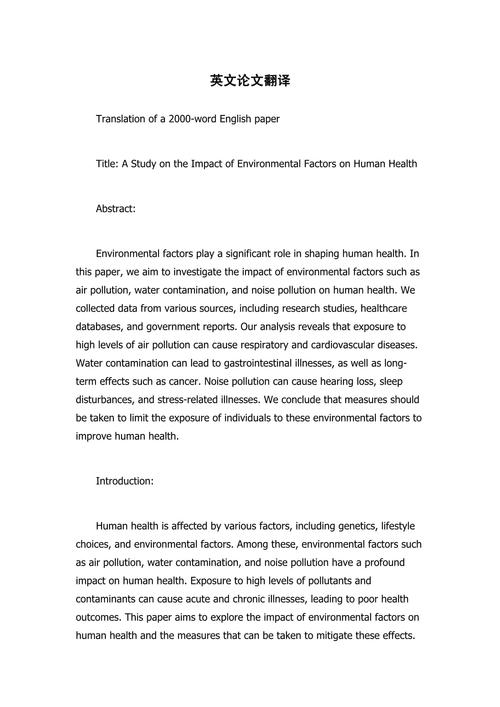
其核心要素包括:
- 明确的论点: 你的文章必须有一个清晰、具体、可论证的中心思想,一个好的论点不是事实陈述(如 "The internet is popular"),而是一个需要你用证据去证明的观点(如 "While the internet offers unprecedented access to information, its primary impact on modern education has been to foster passive learning rather than critical thinking")。
- 严谨的逻辑: 论点需要通过一系列的理由和证据来支撑,这些部分之间必须有清晰的逻辑关系(如因果、对比、举例等)。
- 可靠的证据: 大学论文要求使用学术级别的证据,包括:
- 学术期刊文章
- 权威著作
- 政府报告、统计数据
- 经过同行评审的研究
- (慎用) 知名专家的言论或可靠的新闻报道。
- 学术规范: 必须遵循特定的引用格式(如 APA, MLA, Chicago),避免抄袭,并使用正式、客观的学术语言。
第二部分:标准结构 - IMRaD 模式及其扩展
绝大多数大学论文(尤其是社科和自然科学领域)都遵循 IMRaD 结构,即 Introduction (引言), Methods (方法), Results (结果), and Discussion (讨论),对于纯粹的议论文,我们可以将其简化并扩展为更通用的五段式(或五段式扩展)结构。
引言 - “漏斗”结构
引言的目的是吸引读者,介绍背景,并最终引出你的论点。
- 第一层(最宽):钩子
用一个引人入胜的事实、统计数据、引言、或一个普遍存在的问题来抓住读者的注意力。
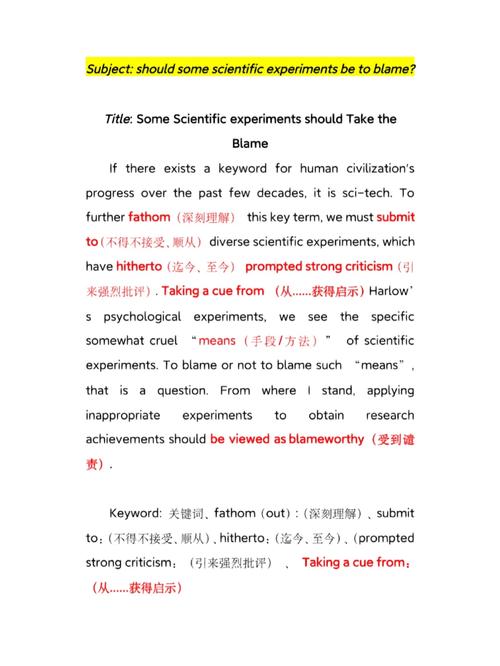 (图片来源网络,侵删)
 - 第二层(背景介绍):背景信息
简要介绍与你的话题相关的背景信息,帮助读者理解你将要讨论的问题的语境。
- 第三层(问题陈述):缩小焦点
指出当前讨论中存在的争议、问题或知识空白,说明为什么这个问题值得探讨。
- 第四层(核心):论点陈述
在引言段的末尾,用一句话清晰地陈述你的中心论点,这是整篇文章的“指南针”。
示例:
(图片来源网络,侵删)
- Hook: In the age of digital transformation, education has undergone a seismic shift, with online platforms becoming ubiquitous.
- Background: These platforms promise democratized access to knowledge and personalized learning experiences for millions of students worldwide.
- Problem: However, this rapid integration has sparked a critical debate about its actual efficacy in fostering the deep, analytical thinking skills that are the cornerstone of higher education.
- Thesis Statement: This essay will argue that despite their convenience, online learning environments often undermine critical thinking by promoting passive consumption of information over active intellectual engagement.
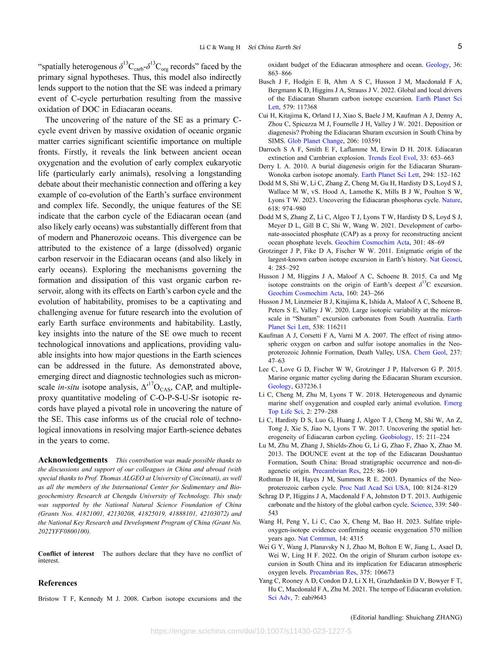
主体段落 - “三明治”结构
每个主体段落都应该只支持论点的一个分论点,通常一篇文章有2-3个主体段。
- 第一层(面包):主题句
段落的第一句话,清晰地陈述本段的中心思想,这个主题句必须直接支持你的总论点。
- 第二层(馅料):证据与解释
- 呈现证据: 引用你的学术来源(数据、引言、案例研究等)。务必正确引用!
- 分析/解释: 这是最关键的一步,不要仅仅罗列证据,要解释这个证据如何证明你的主题句,分析证据的含义、重要性及其与论点的联系,回答“So what?”(所以呢?)的问题。
- 第三层(面包):总结句
重申本段的中心思想,并可以自然地过渡到下一段。
示例段落:
- Topic Sentence: A primary way online learning hinders critical thinking is through its algorithmically-driven content delivery, which encourages passive consumption rather than intellectual exploration.
- Evidence: As Smith (2025) observes, platforms like Coursera and edX often use recommendation systems that guide students down a pre-defined path of "next best" videos and readings. This creates a "filter bubble" where students are not exposed to dissenting viewpoints or challenging material outside the curriculum's narrow scope.
- Analysis: This stands in stark contrast to the traditional seminar model, where intellectual friction is generated through spontaneous debate and the requirement to defend one's interpretation against diverse perspectives. The algorithmic curation, while efficient, eliminates this essential friction, training students to be receivers of information rather than critical evaluators of it.
- Concluding Sentence: Consequently, the very design of these platforms can stifle the intellectual curiosity necessary for genuine critical thinking to flourish.
反驳段落 - 增强说服力的关键
一个强有力的议论文会主动承认并回应对立观点,这展示了你的思考深度和客观性。
- 承认对立观点: “It is often argued that...” 或 “Opponents of this view claim that...”
- 让步: 承认对方观点有一定道理。“Admittedly, there is some truth to the claim that...”
- 反驳: 解释为什么你的论点仍然更站得住脚,可以用“however,” “nevertheless,” “in reality”等词转折,指出对方观点的局限性、过时性或忽略了某些重要因素。
示例:
- Acknowledgement: Proponents of online education might argue that the accessibility of diverse materials on these platforms—through links, forums, and external resources—actually enhances critical thinking by providing a wider array of sources.
- Rebuttal: While this is a valid point in theory, in practice, students often lack the self-regulation and advanced research skills to navigate this sea of information effectively without direct guidance. The abundance of unvetted sources can lead to misinformation and superficial research, ultimately undermining the quality of critical analysis rather than supporting it.
- “倒漏斗”结构
结论不是简单地重复引言,而是要对全文进行升华。
- 第一层(最窄):重申论点
- 用新的措辞重新陈述你的中心论点,不要一字不差地复制。
- 第二层(扩展):总结主要分论点
简要回顾你在主体段落中使用的几个主要理由,证明你的论点是经过充分论证的。
- 第三层(最宽): broader Implications / 意义升华
将你的讨论扩展到更广阔的层面,说明你的论点有什么更深远的启示?对未来的研究、政策制定或社会实践有何意义?提出一个引人深思的问题或展望。
- (可选)最后的呼吁: 用一句有力的话结束全文,给读者留下深刻印象。
示例:
- Restate Thesis: Therefore, while online education offers undeniable benefits in terms of accessibility, its structural and pedagogical frameworks often inadvertently cultivate passive learning habits that are antithetical to the development of critical thinking.
- Summarize Points: By prioritizing algorithmic efficiency over intellectual friction and by failing to adequately equip students to navigate complex information landscapes, these platforms fall short of the core mission of higher education.
- Broader Implications: Moving forward, educational technologists and institutions must redesign these tools not just as content delivery vehicles, but as interactive spaces that actively challenge students to question, analyze, and synthesize information. The future of digital education depends on it.
第三部分:写作步骤 - 从构思到定稿
-
Pre-writing (构思):
- 头脑风暴: 围绕主题自由联想,列出所有相关的想法和关键词。
- 缩小话题: 将宽泛的话题缩小到一个具体、可研究、有争议的焦点。
- 初步研究: 快速查阅一些资料,了解该领域的主要观点和争论,帮助你形成一个初步的论点。
- 提纲: 这是最重要的一步!根据上述结构,列出你的论点、分论点和支持每个分论点的关键证据,这能确保你的逻辑清晰,结构合理。
-
Drafting (初稿):
- 不要追求完美! 专注于把你的想法和提纲的内容流畅地写出来,可以先写你最熟悉的段落。
- 边写边引用: 在引用证据的地方,立刻加上正确的引用格式,避免最后忘记。
- 保持专注: 严格按照提纲的逻辑进行写作,避免跑题。
-
Revising (修改):
- 宏观修改: 这是最重要的修改阶段,检查你的论点是否清晰?逻辑是否连贯?结构是否合理?证据是否充分且有说服力?
- 朗读你的文章: 大声朗读可以帮助你发现不通顺的句子和逻辑跳跃。
- 寻求反馈: 把文章给同学、朋友或写作中心的老师看,获取客观的意见。
-
Editing (校对):
- 微观修改: 检查语法、拼写、标点、用词等细节错误。
- 检查引用格式: 确保文内引用和参考文献列表格式完全正确且统一。
第四部分:实用技巧与常见误区
实用技巧:
- 使用学术语言: 避免口语化、缩写 和过于情绪化的词汇,使用 "suggests," "indicates," "demonstrates," "argues" 等客观动词。
- 保持客观: 即使你非常支持某个观点,也要用证据和逻辑说话,而不是个人情感。
- 有效整合引用:
- 引导式引用: "According to Dr. Jane Doe..."
- 融入式引用: "The concept of 'digital native' has been critiqued for being overly simplistic (Jones, 2025)."
- 永远不要让引用“悬在空中”,前面一定要有你的介绍,后面一定要有你的分析。
- 使用过渡词: 使用 "Furthermore," "However," "In contrast," "Consequently," "For instance" 等词语来连接句子和段落,使文章更流畅。
常见误区:
- 论点模糊不清: 像写说明文一样,只是罗列事实,没有提出需要证明的观点。
- “说而不证”: 提出一个观点,但没有提供任何证据来支持。
- 证据与分析脱节: 像做“填空题”一样,先放一个证据,再放一个证据,但没有解释它们之间的联系以及它们如何证明论点。
- 缺乏反驳: 对对立观点视而不见,显得论证不全面,容易受到攻击。
- 抄袭: 这是学术写作的“红线”。必须正确引用所有非原创的思想、数据和引言,当你不确定时,就引用它。
- 结论只是重复引言: 没有提供新的见解或升华。
第五部分:模板与范例
议论文提纲模板
I. Introduction A. Hook: [An interesting fact, question, or statistic about your topic] B. Background: [Provide context for your topic. What is the general conversation about it?] C. Problem/Gap: [Identify the controversy or the specific issue you will address.] D. Thesis Statement: [Your clear, arguable claim that you will prove in the essay.]
II. Body Paragraph 1 A. Topic Sentence: [Your first reason that supports your thesis.] B. Evidence: [Present a piece of evidence: a quote, data, or example. Cite it properly.] C. Analysis: [Explain how this evidence proves your topic sentence. Answer "So what?"] D. Concluding Sentence: [Wrap up the paragraph and link to the next one.]
III. Body Paragraph 2 A. Topic Sentence: [Your second reason that supports your thesis.] B. Evidence: [Present a piece of evidence. Cite it properly.] C. Analysis: [Explain how this evidence proves your topic sentence.] D. Concluding Sentence: [Wrap up the paragraph and link to the next one.]
IV. Rebuttal Paragraph (Optional but highly recommended) A. Acknowledge the Opposing View: [State the counterargument fairly.] B. Refute the Opposing View: [Explain why this argument is weak or flawed. Use evidence if possible.] C. Concluding Sentence: [Reinforce why your original position is stronger.]
V. Conclusion A. Restate Thesis: [Rephrase your thesis in a new way.] B. Summarize Main Points: [Briefly remind the reader of your key arguments.] C. Broader Implications: [Discuss the significance of your argument. What are the "so what?" takeaways?] D. Final Thought: [End with a powerful concluding statement.]
希望这份超详细的指南能对你有所帮助!好的议论文是思考的产物,而不仅仅是写作的产物,花足够的时间在构思、研究和提纲上,你的论文质量会大大提高,祝你写作顺利!
标签: 大学英语议论文写作技巧 英语议论文论文结构分析 大学英语议论文选题方向